
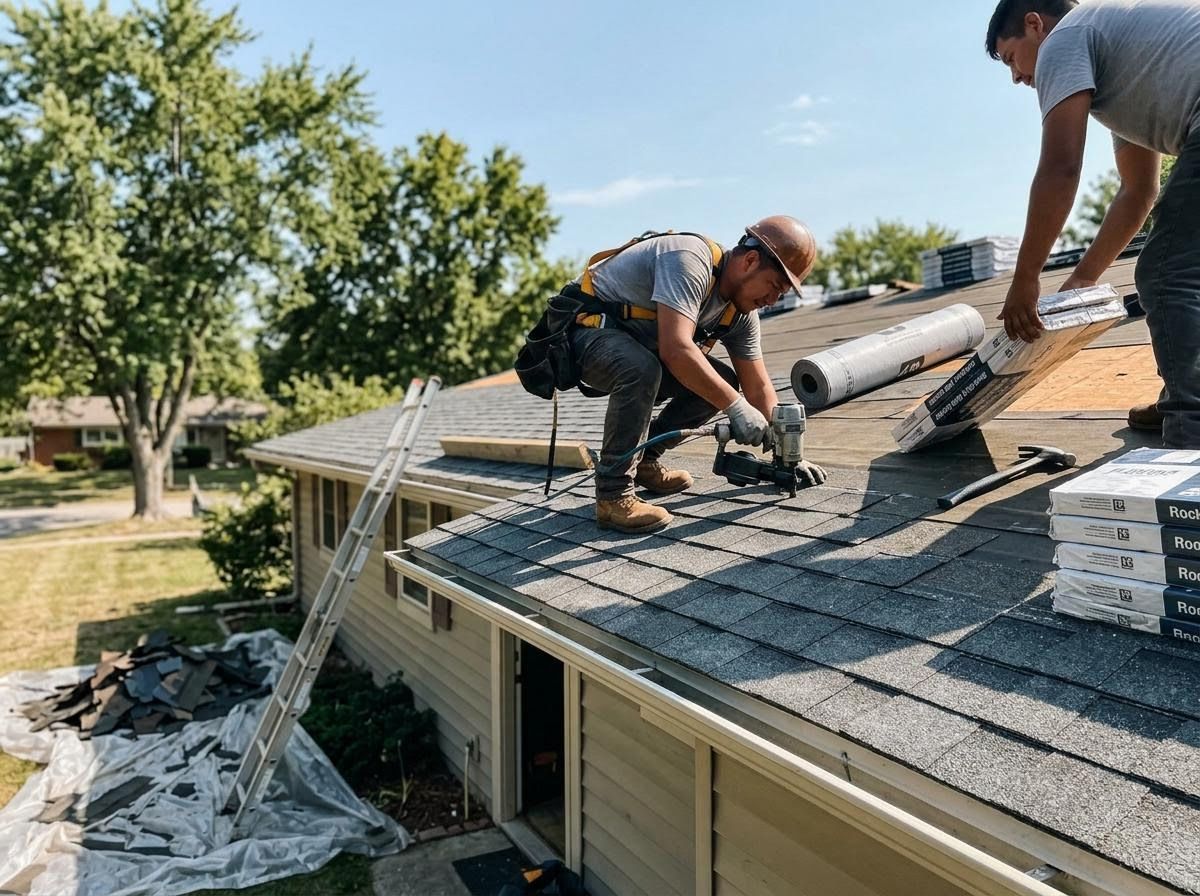
When considering a significant home improvement project like a new roof, one of the first questions many homeowners ask is about the cost. Understanding the breakdown of roofing expenses, particularly between materials and labor, is crucial for budgeting and making informed decisions. It’s not simply the price of shingles; a comprehensive roofing estimate involves numerous variables that contribute to the final investment. At HTC Roofing, we believe in transparency to help our clients understand the value they receive.
Understanding the Material Component of Your Roof
The materials chosen for your roofing project typically represent a significant portion of the overall cost. This category includes more than just the visible surface layer; it encompasses shingles, tiles, metal panels, underlayment, flashing, ventilation systems, and even nails or sealants. Factors that influence material costs include the type of roofing chosen (asphalt shingles, metal roofing, EPDM for flat roofs), the quality and brand of these materials, and any special features or architectural considerations. For instance, premium designer shingles will naturally cost more than standard three-tab asphalt shingles, and the size and complexity of your roof will dictate the quantity of materials required.
Deciphering the Labor Costs for Your Roofing Project
Labor costs account for the professional expertise and time required to execute your roofing project safely and efficiently. This component covers several critical stages, including the removal and disposal of old roofing materials, preparing the roof deck, installing the new roofing system according to manufacturer specifications, and ensuring proper ventilation and flashing. Factors impacting labor costs include the size and pitch of your roof, the complexity of the roofline (e.g., multiple valleys, dormers), the number of layers to be removed, and local wage rates. A reputable Roof Replacement Company will also factor in overheads such as insurance, worker's compensation, and equipment maintenance, all of which contribute to a safe and high-quality installation.
The Interplay of Factors and Unexpected Considerations
It’s important to understand that material and labor costs are often interdependent. For example, installing more complex or specialized materials may require more skilled labor, increasing that portion of the budget. Beyond these two primary components, other factors can influence the total cost. These might include the need for structural repairs to the roof deck, permits required by local building codes, access challenges (e.g., steep pitch, difficult-to-reach areas), and potential for unforeseen issues discovered during the tear-off process. While a good estimate should account for many variables, an experienced Emergency Roof Repair Contractor or Roof Installation Company will communicate any unexpected discoveries and their potential cost implications clearly.
The Value of a Comprehensive Estimate
When seeking quotes, it's essential to ensure you receive a detailed, itemized estimate that clearly separates material and labor costs. This allows for a direct comparison between different contractors and helps you understand exactly what you're paying for. A Best Roofing Contractor will not only provide this transparency but will also offer a Free Roof Inspection to accurately assess your roof's condition and tailor a solution that fits your needs and budget. Choosing a contractor based solely on the lowest bid can sometimes lead to compromises in material quality or installation practices, which may result in costly repairs down the line.
Understanding the breakdown of roofing costs empowers homeowners to make informed decisions about their home's protection. By differentiating between material and labor expenses, you gain clarity on your investment. If you're considering a roof replacement or repair and want a detailed, transparent estimate, consider reaching out to HTC Roofing for a comprehensive assessment of your needs.