
After a severe storm, assessing potential damage to your home is crucial, especially when it comes to filing an insurance claim. Knowing what warning signs to look for and how to document them can significantly streamline the claim process, helping ensure you receive appropriate coverage for repairs. This guide from HTC Roofing aims to equip homeowners in the Cincinnati area with the knowledge needed to identify key storm damage indicators and effectively photograph them for insurance purposes.
Immediate Post-Storm Assessment: What to Look for from the Ground
The first step after a storm has passed is a safe, preliminary assessment from the ground. Prioritize safety: never climb onto a wet or damaged roof, and be wary of downed power lines or unstable debris. From ground level, look for obvious signs of trouble such as missing shingles, displaced flashing around chimneys or vents, and visible dents on gutters or downspouts. Also, inspect your yard for shingle granules washed off the roof, which often accumulate in gutters or at the base of downspouts, indicating significant roof surface erosion. Take wide-angle photos of your entire home from various angles to show the overall impact, then zoom in on any clearly visible damage points.
Detailed Damage Documentation: Beyond the Obvious
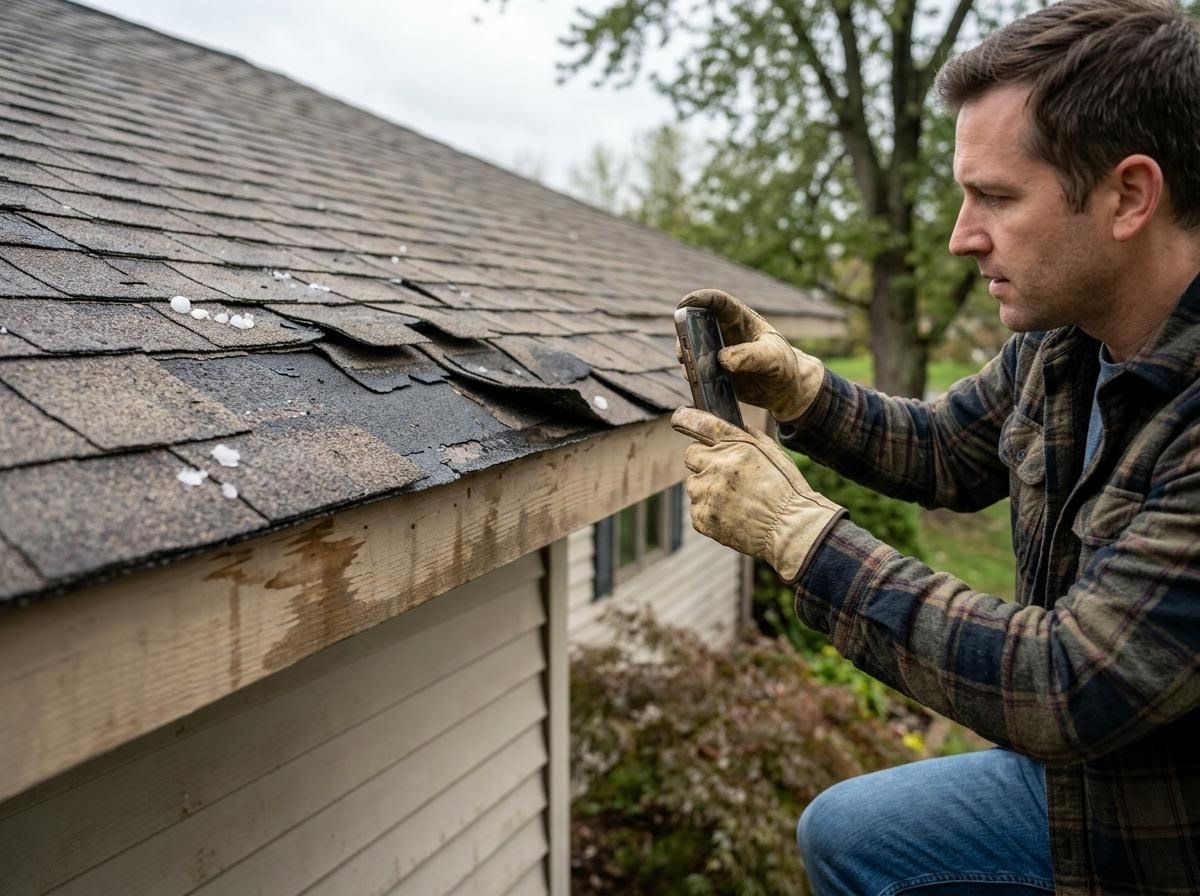
If it is safe to do so, a closer inspection can reveal more subtle yet critical damage. Document any cracked, torn, or curled shingles. For metal roofs, look for dents, punctures, or signs of detachment. Flat roofs, such as EPDM, may show tears, punctures, or displaced seams. Remember to photograph collateral damage: broken windows, dented siding, and damaged fences are also common after severe weather and should be included in your documentation. Capture close-up shots of each specific issue, ensuring clarity and detail. It’s helpful to use a common object like a coin or a ruler in some photos to provide a sense of scale for dents or tears.
Essential Photography Tips for Insurance Claims
Thorough photographic evidence is your best asset when filing a storm damage claim. For each area of damage, take multiple photos from different angles—a wide shot showing the context and several close-ups highlighting the specifics. Ensure your photos are clear, well-lit, and include date and time stamps if your camera or phone allows. Document both direct damage and any secondary damage, such as water stains on interior ceilings or walls that may have resulted from roof leaks. Organize your photos by location (e.g., "front roof," "south siding," "living room ceiling") to make it easy for your insurance adjuster to review. If you have any "before" photos of your home, these can be invaluable for showing the extent of new damage.
Preparing for Your Next Steps
Timely action and thorough documentation are your best allies after a storm. By recognizing storm damage warning signs and meticulously photographing them, you're better prepared for your insurance claim. For expert assessment and assistance, consider reaching out to a trusted professional for a Free Roof Inspection. This step is crucial whether you need an Emergency Roof Repair Contractor or a full Roof Replacement Company, ensuring your home is in the hands of the Best Roofing Contractor for lasting results. To learn more about protecting your home, we invite you to explore our resources on comprehensive exterior solutions.