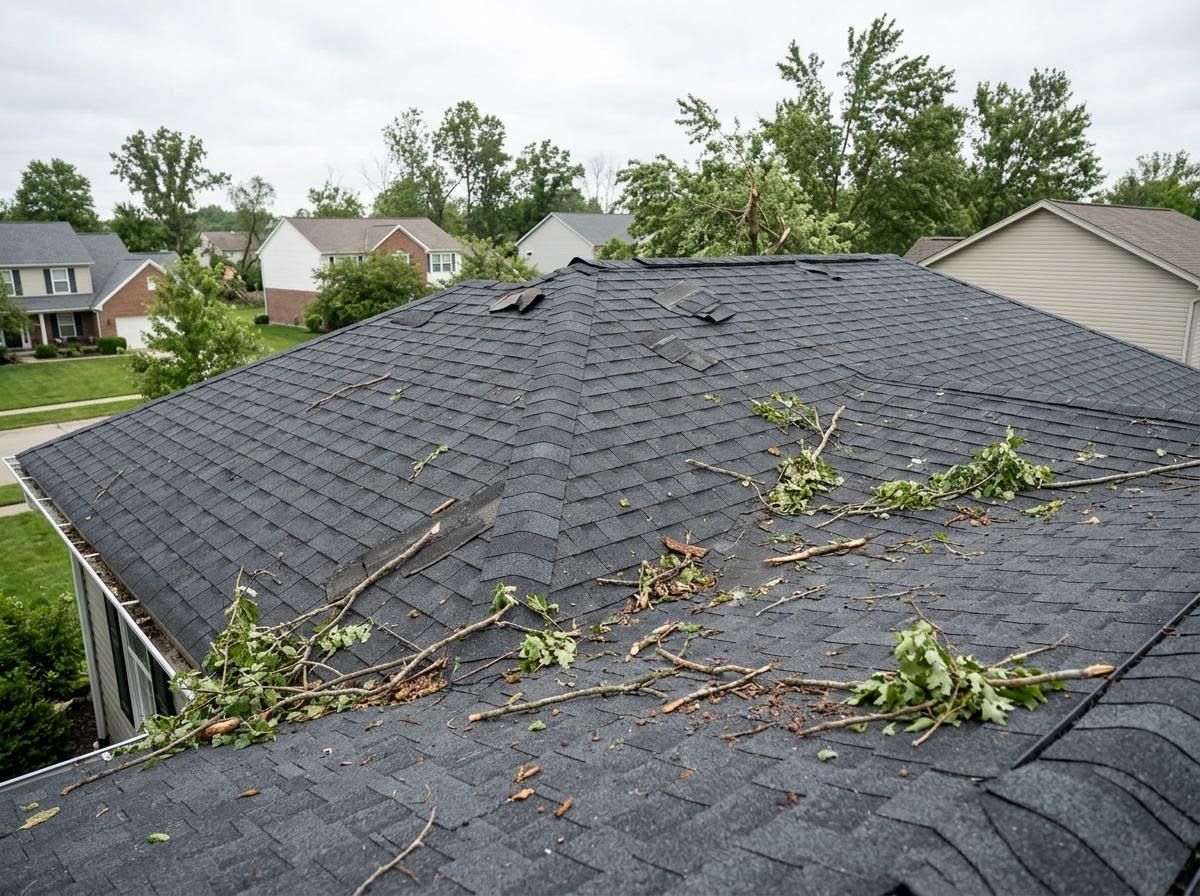
When severe weather strikes the Cincinnati area, your roof is often the first line of defense, making timely action critical to protecting your home. Understanding how to respond immediately after a storm can prevent extensive damage and costly future repairs. Facing the aftermath of a powerful storm can be overwhelming, but knowing the right steps to take can make all the difference. HTC Roofing is here to guide you through the process of addressing storm-related roof damage.
Prioritizing Safety After the Storm
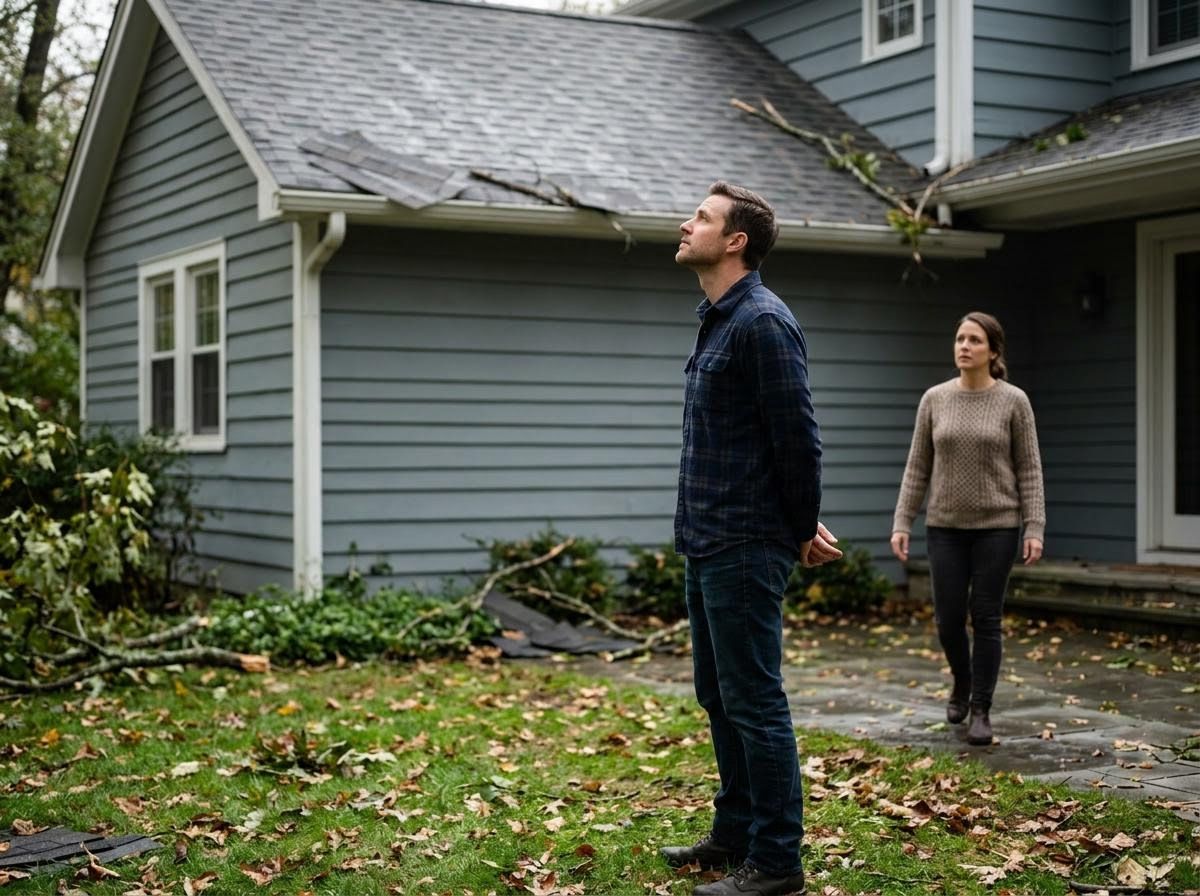
The very first step after a storm has passed is to ensure the safety of yourself and your family. Before attempting to assess any damage, check for downed power lines, gas leaks, or structural instability that could pose an immediate threat. Never climb onto a damaged roof yourself, as this can be extremely dangerous. Inspect your property from the ground for obvious signs of damage, such as large debris, missing shingles, or visible holes. If you notice any significant structural concerns or hazards, evacuate your home and contact emergency services immediately.
Assessing Visible Roof Damage
Once it is safe to do so, perform a visual inspection of your roof from a safe vantage point, such as from the ground or an upstairs window. Look for common signs of storm damage, including missing, cracked, or curled shingles. Also, check for granules from asphalt shingles in your gutters or around the foundation of your home, which indicates wear. Inspect your gutters for dents or detachment, and observe your siding for impact damage. Even seemingly minor issues can compromise your roof's integrity, potentially leading to leaks and further interior damage if not addressed promptly by a professional.
The Critical Role of a Professional Roofing Contractor
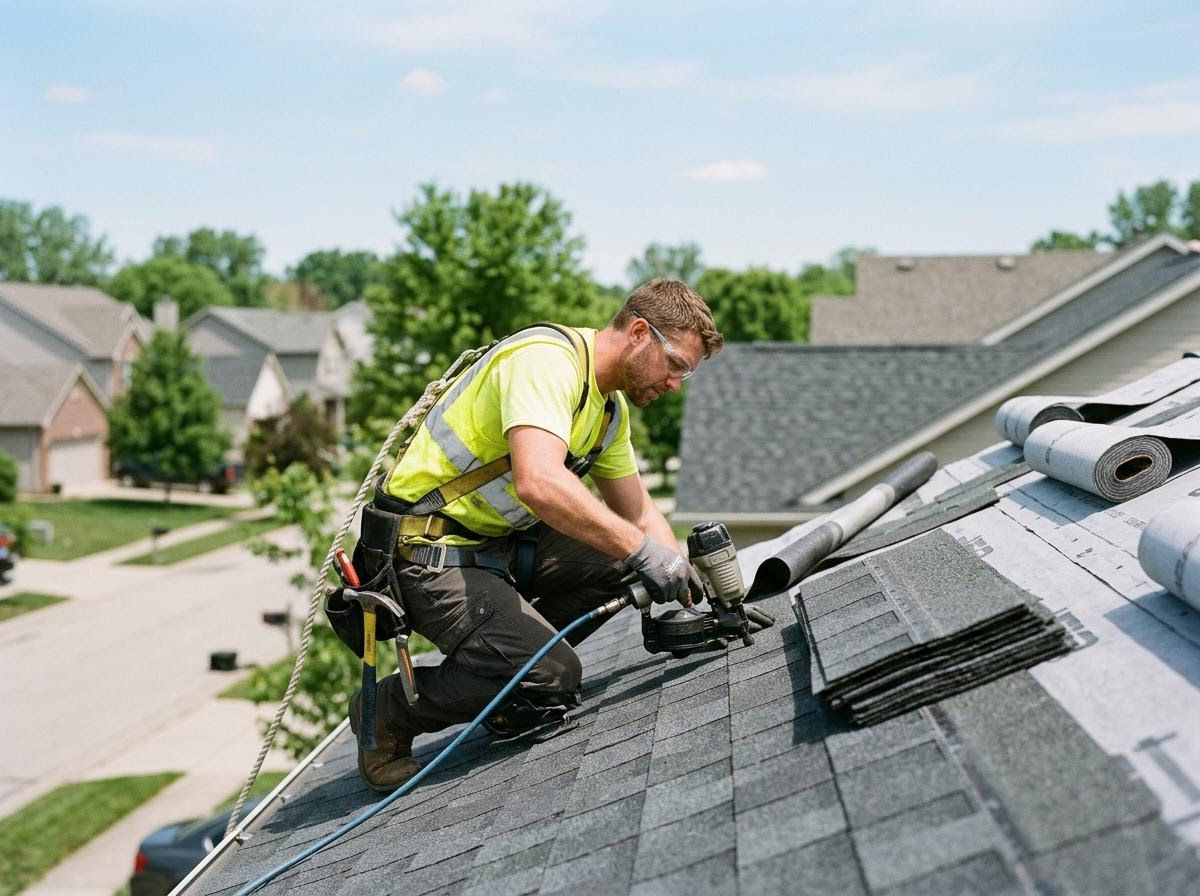
Dealing with roof damage requires expertise that most homeowners lack. After initial safety checks and a preliminary visual assessment, the next crucial step is to contact a reputable local roofing contractor. An experienced professional can safely and accurately assess the full extent of the damage, including issues that may not be visible from the ground, such as hidden structural compromise or water intrusion. Prompt attention to storm-related roof repairs can prevent secondary damage, such as mold growth or rot, which can significantly escalate repair costs.
Understanding Your Repair Options
Depending on the severity and nature of the storm damage, your roofing professional will recommend the appropriate course of action. For localized damage, such as a few missing shingles or minor punctures, targeted roof repairs might be sufficient to restore your roof's integrity. However, if the storm has caused widespread damage, such as significant structural issues, extensive granule loss, or numerous punctures across multiple sections, full roof replacements may be the most cost-effective and secure long-term solution. A reliable residential roof company will provide a detailed report explaining whether roof repairs or a complete new roof installation is necessary for the long-term protection of your home.
Facing storm damage can be daunting, but with the right approach and a trusted partner, your home can quickly return to safety and security. Prompt action, a thorough professional assessment, and expert roof repairs or roof replacements are key to protecting your property's value and your family's comfort. For comprehensive evaluations and expert solutions for your residential roof, consider reaching out to HTC Roofing for guidance on securing your home's future.